
Updated for this generation, this new edition is packed with tools and insight to help teens navigate today’s contemporary cultural issues with confidence, love, and grace.
Some of the topics discussed are...








Discover Infographics
Click to view & download these infographics!
GIRLS
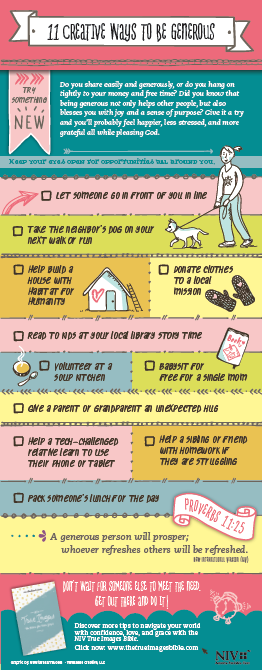
11 Creative Ways to Be Generous
GIRLS
9 Ways to Be an Awesome Friend

GIRLS
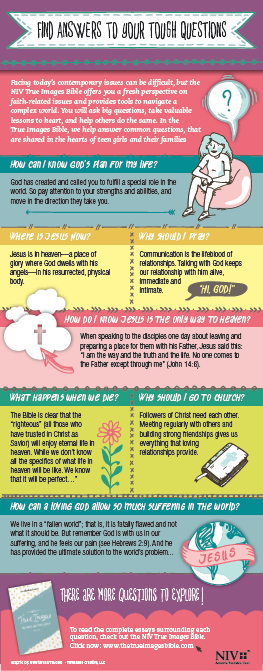
Find Answers to Your Tough Questions
GUYS
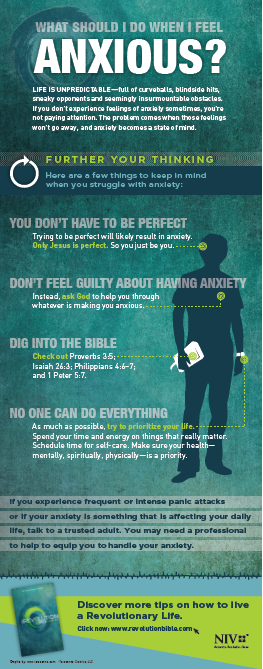
What Should I Do When I Feel Anxious?
PARENTS
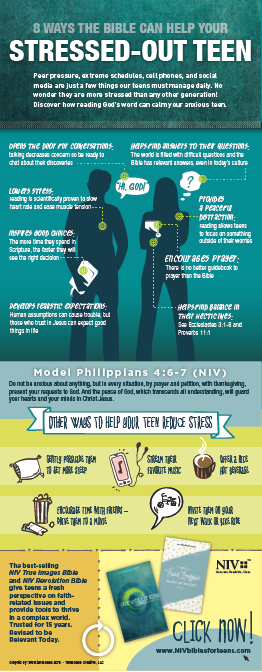
8 Ways the Bible Can Help Your Stressed-Out Teen
PARENTS
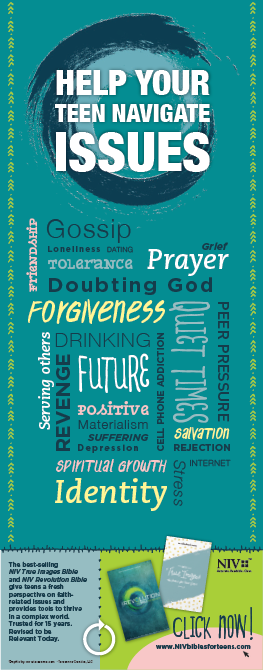
Help Your Teen Navigate Issues
Explore the Features

For 15 years, the best-selling NIV True Images Bible has been a trusted resource guiding teen girls ages 13-18 towards a closer relationship with God. Updated for this generation, this new edition is packed with tools and insights to help teen girls see themselves through the eyes of their Heavenly Father and to navigate their lives with confidence, love, and grace.
Facing today’s contemporary issues can be difficult, but the NIV True Images Bible gives teen girls a fresh perspective on faith-related issues and provides tools to thrive in a complex world. Teen girls will ask the big questions, take valuable lessons to heart, and help others do the same.
Features:
• Complete text of the accurate, readable, and clear New International Version
• 24 magazine-style pages include tips and quizzes that help girls learn more about themselves
• In-depth book introductions establish the context of each book in the Old and New Testaments
• “In Focus” notes apply biblical truths to topics such as perfectionism, spiritual growth, eating disorders, pornography, prayer, self-harm, relationships, sex, bullying, and popularity on social media
• Over 300 “Genuine” notes focus on the value of authenticity and true inner beauty
• Over 100 “Love Notes” give opportunities to reflect on God’s love
• Over 500 “Dare to Believe” challenges help you discover God’s truth about life and faith
• 52 “Mirror Images” share the stories of biblical women

For 15 years, the best-selling NIV Revolution Bible has helped teen guys explore what it means to live a revolutionary life for God. Updated for today's generation, this new edition is packed with challenging insights, smart advice, and open discussion about toady's contemporary cultural issues, empowering young men ages 13-18 to ask big questions, discover fresh perspectives, and impact others while living their faith on the edge.
Teen guys will discover how to impact a broken and diverse world. Their life, their relationships, their community: it's all a big deal, and it takes a big, God-filled heart to make a difference. A revolution of the heart isn't about hor popular or tough guys are. It's about what God can do in them and through them. This Bible includes features strategically designed to empower guys in their quest for truth about faith and their surrounding world.
Features:
• Complete text of the accurate, readable, and clear New International Version
• 12 full-color pages offer life-impacting ideas like: "50 Passages That Show God Is a Revolution God" and "50 Ways to be a Better Friend"
• In-depth book introductions give an overview of the context of each book in the Old and New Testaments
• "Battlelines" answer tough questions that teens have and present the Bible's perspective on spiritual growth and contemporary cultural topics such as self-harm, sex, divorce, environmental care, prayer, drug use, underage drinking, pornography, modesty, reading the Bible, relationships, and popularity on social media
• Over 200 "Be the Change" articles challenge teen guys to discover God's truth on various topics
• 100 "God Calling" notes point to verses to help you find God's plan for your life
• 100 "Live the Revolution" notes show you how to change your life and revolutionize your impact on others
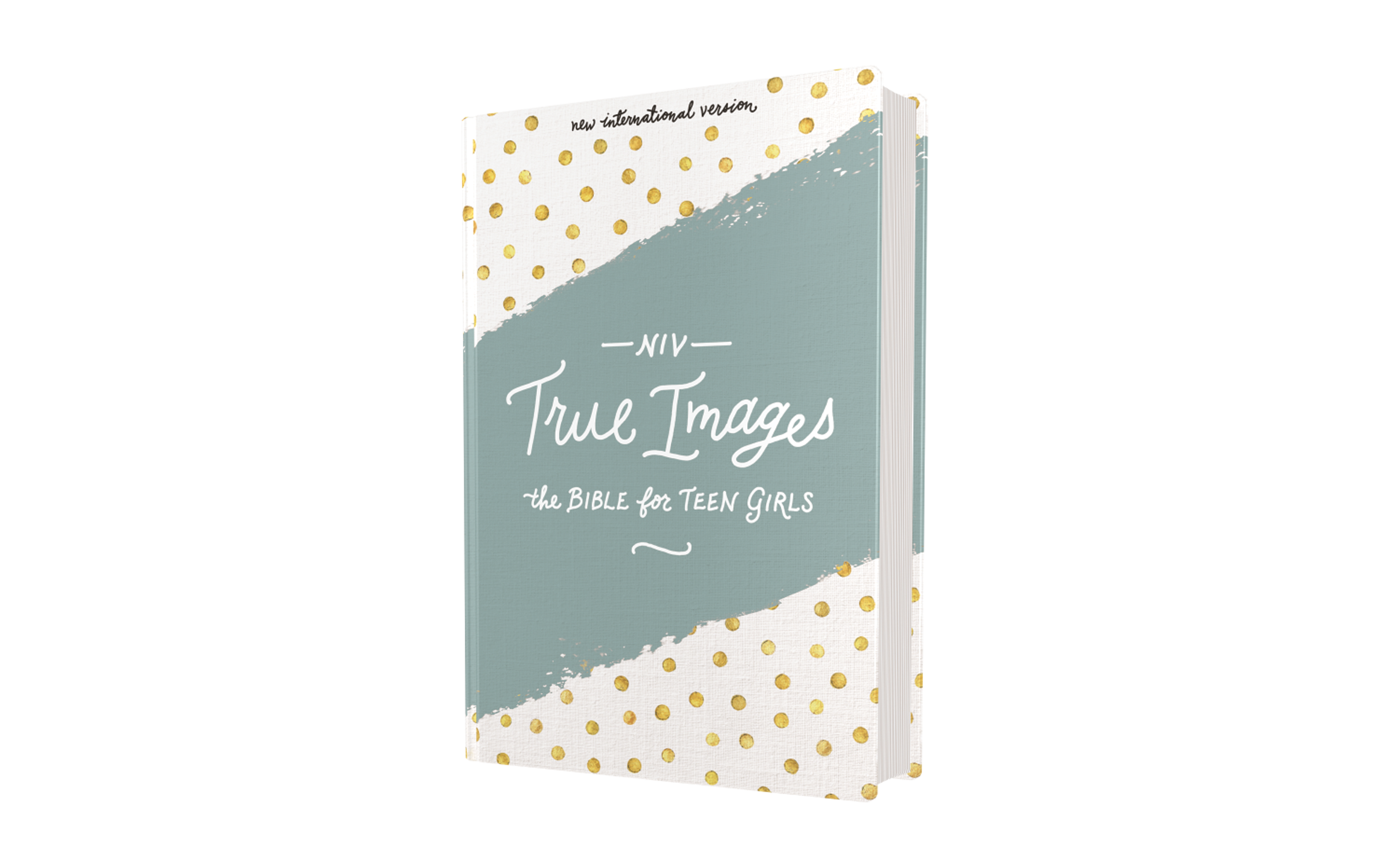
NIV True Images Bible, Hardcover
ISBN 9780310080039
BUY NOW!
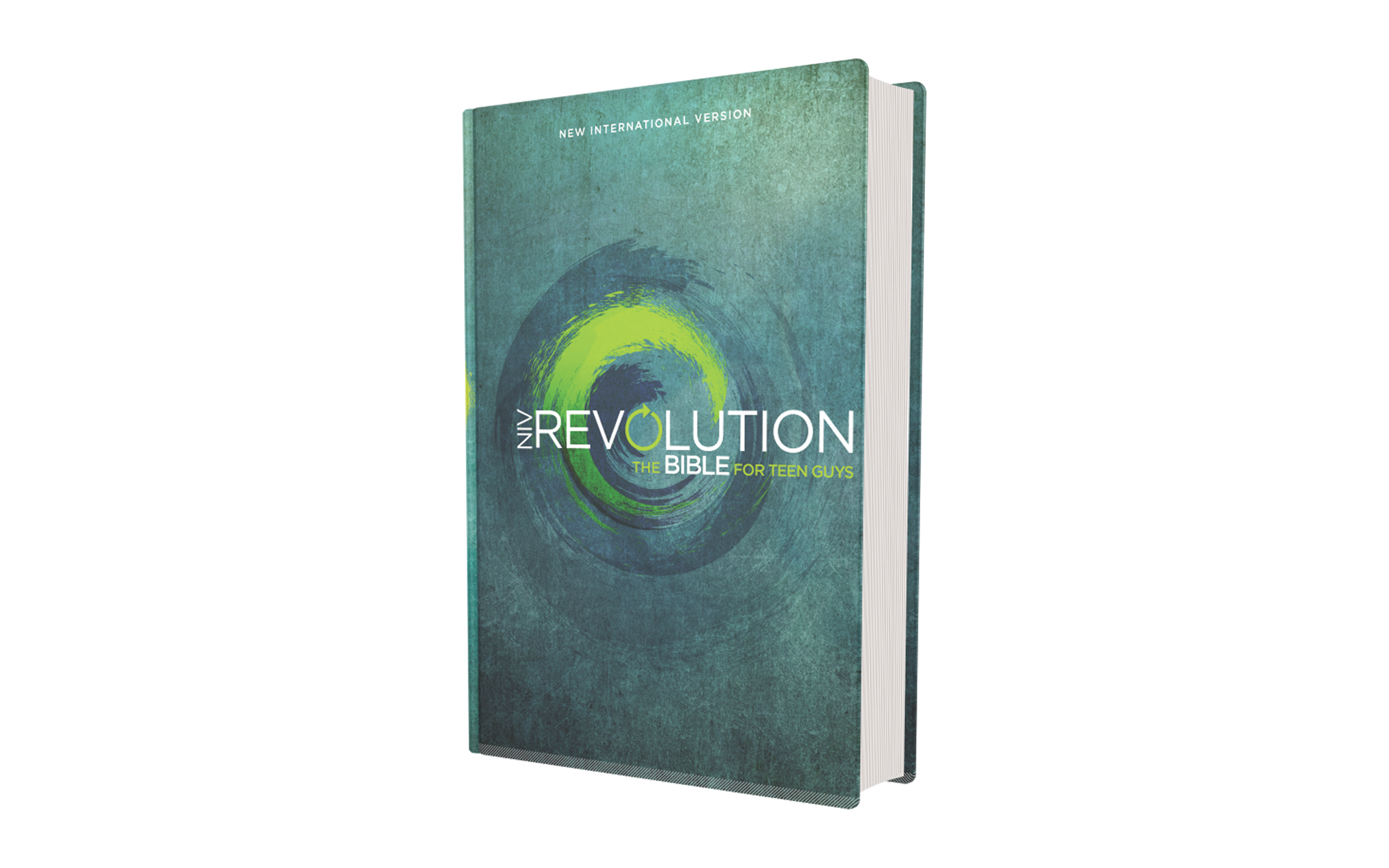
NIV Revolution Bible, Hardcover
ISBN 9780310079989
BUY NOW!

NIV True Images Bible, Imitation Leather,
Pink
ISBN 9780310080053
BUY NOW!

NIV True Images Bible, Imitation Leather,
Blue/Gold
ISBN 9780310080046
BUY NOW!

NIV Revolution Bible, Imitation Leather,
Gray/Navy
ISBN 9780310080008
BUY NOW!
NIV Revolution Bible, Imitation Leather,
Blue
ISBN 9780310079996
BUY NOW!
Read Articles on Topics from the Bibles
TEENS
A Little Patience
Things aren’t very good with me and my mom. She drives me crazy. It’s like she’s always on my back about something—where I’m going, who I’m hanging out with, whether I’m getting my homework done, what I’m wearing . . . blah, blah, blah.
When she starts in on me, I feel this anger bubbling up in me, and I end up snapping back at her and telling her to leave me alone. I say whatever comes to mind. Sometimes I am so rude to her. I feel like I have to be to get my point across, but I do feel bad about that.
My dad says I have a serious patience problem. He says it’s not just my mom that I talk to that way. I guess he may be right. I yell at my little brothers sometimes. And I’ve noticed I’ve been snapping at my friends when they say stuff that sets me off. My mouth starts going before my mind checks in.
I don’t try to be harsh. But I feel so frustrated, like I can’t get through to people, and they won’t listen till I really make my point. I’ve tried to be more patient, but it’s hard for me. Besides, doesn’t everyone lose their temper once in a while? It seems like a pretty natural reaction to me.
Patience in Focus
Got a patience problem? Or maybe you manage to control your temper all day but express your impatience at home? Remember, anger and frustration are natural feelings, but what we do with those can either be healthy or destructive—to us and others.
Words said out of impatience can really hurt others and ruin a friendship.
Proverbs 13:3 (NIV)
Those who guard their lips preserve their lives,
but those who speak rashly will come to ruin.
God Encourages Us to be Patient and Think Before We Speak
Ecclesiastes 7:8–9 (NIV)
The end of a matter is better than its beginning,
and patience is better than pride.
Do not be quickly provoked in your spirit,
for anger resides in the lap of fools.
Love is Patient
1 Corinthians 13:4 (NIV)
Love is patient, love is kind. It does not envy, it does not boast, it is not proud.
When you’re about to unleash on someone, just pause for a minute. Ask God to help you be patient and loving toward that person.
Why Am I Panicking?
It was test day in AP American history. I had studied for hours the night before. And for that reason only—not because I’m some kind of genius—I was super confident going into this test. I mean, I really knew my stuff.
But then, when I sat down at my desk, I started to feel sick to my stomach. And then I started sweating—it was the middle of winter, and I was wearing my favorite green sweater. I looked around, worrying that other people were going to see the sweat dripping down my face. A lump formed in my throat; I’m going to burst into tears. What on earth?
I wish I could say that was the only time it happened. But it wasn’t. Sometimes, when I’m in a crowded room, in class or in church, it feels as if someone is sitting on my chest. I feel like I just have to get out of there or I will break down in front of everyone.
My mom says I’m having panic attacks, but don’t panic attacks happen when something bad is happening? Mine seem to come out of nowhere, even when nothing is wrong.
My youth group leader says that Christians aren’t supposed to worry, but it’s not like I’m doing it on purpose. It’s not like I want to freak out at random times. But I don’t know how to fix it.
Anxiety in Focus
Anxiety is a huge problem in our society, and teens are not immune to it. Often, anxiety comes from being overstimulated—when we have too much going on or we are thinking about too many things at once. While nearly everyone experiences anxiety at some time, there are things you can do to deal with it.
You don’t have to be perfect. Trying to be perfect will likely result in anxiety. Only Jesus is perfect. So you just be you.
No one can do everything. As much as possible, try to prioritize your life. Spend your time and energy on things that really matter. Schedule time for self-care. Make sure your health—mentally, spiritually, physically—is a priority.
Dig into the Bible
Proverbs 3:5 (NIV)
Trust in the Lord with all your heart
and lean not on your own understanding
Isaiah 26:3 (NIV)
You will keep in perfect peace
those whose minds are steadfast,
because they trust in you.
Philippians 4:6–7 (NIV)
Do not be anxious about anything, but in every situation, by prayer and petition, with thanksgiving, present your requests to God. And the peace of God, which transcends all understanding, will guard your hearts and your minds in Christ Jesus.
1 Peter 5:7 (NIV)
Cast all your anxiety on him because he cares for you.
Don’t feel guilty about having anxiety. Instead, ask God to help you through whatever is making you anxious.
If you experience frequent or intense panic attacks or if your anxiety is something that is affecting your daily life, talk to a trusted adult. You may need a professional to help equip you to handle your anxiety.
Are You Addicted To Your Cell Phone?
“Did you hear about—?” My friend Adeline looked up from her phone, aghast.
“Of course,” I smirked, cutting her off. As if I’d miss that news. Whether it’s Beyoncé’s or Taylor Swift’s or my half brother’s latest tweet, the answer is yes: I saw it. Did I read Act I of Hamlet last night for junior British lit? No. Kanye’s views? Yes. My devotional book? Well, no. My friend Casey’s fashion blog? Definitely yes.
I’m in the process of educating my small group leader, Colette, about social networking. She freely admits she’s old (she’s 33), and she smiles about it. She asks all these cute questions, like “Caitlin, how many texts do you send per month?” “Do you find it hard to disconnect for an hour?” and “Cait, do you really care what the Kardashians think about, well, anything?”
I’m starting to wonder if she’s as naive as she acts. I don’t think she actually knows the answers to any of these questions because she only updates her Facebook page every week or so (when I nag her). But I’m starting to suspect her questions aren’t as innocent as they seem. She’s trying to make me think. She inserts little comments into our conversations, like “Caitlin, let’s both leave our phones in the car while we go for coffee,” and “How do you think your friendship with Addie might deepen if you talked more and spent less time on your phones?” Ugh, she’s so sneaky. I do wonder if she has a point, though.
Social Networking in Focus
We communicate with others in very different ways in this always-on world. And while some of the apps on our phones offer true benefits, they can also distract us from actually living. Do you…
...value quantity over quality? A thousand Facebook “friends” isn’t necessarily better than a few good in-person friends.
...ever catch yourself missing out on in-person interactions because you’re on your phone?
...feel braver when you’re texting, tweeting or messaging? Do you want to feel braver in person? It takes practice!
Fasting means temporarily giving up something to focus more on God. Could you fast from your phone for a day?
C Is For Clueless
“What do you want to be when you grow up, Danielle?” Oh, the dreaded question. Most little kids love the chance to spout off some dream they have for their life—a lawyer, a doctor or a teacher. For me, it was just the opposite experience. Awkward pause. Stress. Look at Mom. “I don’t know,” I would say in my isn’t-she-cute little kid voice. Now that I’m older—well, let’s just say I still don’t have a clue. And it isn’t that cute anymore.
My parents try to “help” by suggesting all these careers where you have the “joy” of working 80-hour weeks and heaps of money. I’m just trying to find something I like. Once I mentioned I might want to become an artist—but they said I’d never make enough money.
While my friends are already talking about what college majors they’re choosing, here I am with that same old blank look on my face. I feel the pressure to succeed—but succeed at what? What if my life doesn’t turn out right, and I disappoint everyone? How am I supposed to know what I want to do with the next 50 years of my life?
Future in Focus
Even when you feel totally clueless about what choices to make in life, God has it all under control. Here are a few things to remember:
God alone knows the future.
See Proverbs 23:18 (NIV)
There is surely a future hope for you,
and your hope will not be cut off.
Talk to some people you know who are in college and ask them how they made their tough life decisions.
Remember that 50 percent of college students change majors at least once. You don’t have to map out the whole course of your life now.
When you feel like you’re starting to panic, ask God to help you replace worry with prayer.
Read Philippians 4:6–7 (NIV)
Do not be anxious about anything, but in every situation, by prayer and petition, with thanksgiving, present your requests to God. And the peace of God, which transcends all understanding, will guard your hearts and your minds in Christ Jesus.
Let Doubts Drive You Deeper
I was raised in the church. Started going before I was even born. I know every Bible story, and I’ve heard about a million sermons. But lately I’m starting to wonder. One of my teachers says we human beings need a “god” to make us feel secure and cared for. So we make one up.
I’m scared because I have to admit that this makes sense. How do I know whether somewhere way back, some well-meaning people didn’t make up God just so we’d feel better about ourselves? How do I know that God made us rather than that we made him?
I asked my stepbrother, Michael, what he thinks. He’s 26 and in grad school and is a deep thinker. I was surprised by his response.
“Don’t be afraid to ask questions. A real God will stand up to questions because he is actually there. Look at the evidence, and go where it takes you. Have you ever considered the fact that every human is unique? If an impersonal force created us, we’d be more like clones. And what about the perfect order you see in creation? You think that could happen by chance? And what about the fact that every human has a built-in sense of right and wrong? Where does that come from?
Hailey, I can’t decide for you. You have to decide for yourself. When you look at the evidence, what do you see?”
Doubting God
Doubts aren’t wrong. Thinking through your faith can actually make it stronger. If you’re having doubts about God, here are some things you can try:
Do a study of apologetics. Apologetics is not apologizing for what you believe but finding concrete evidences for God and what he is like.
Some great thinkers, such as C. S. Lewis, Josh McDowell and Lee Strobel, have gone down the road of doubt before you. Find their books!
Ask God. He is tough enough to handle your questions.
Look around. All of creation declares there is a God.
See Psalm 19:1–4 (NIV)
The heavens declare the glory of God;
the skies proclaim the work of his hands.
Day after day they pour forth speech;
night after night they reveal knowledge.
They have no speech, they use no words;
no sound is heard from them.
Yet their voice goes out into all the earth,
their words to the ends of the world.
In the heavens God has pitched a tent for the sun.
And Romans 1:20 (NIV)
For since the creation of the world God’s invisible qualities—his eternal power and divine nature—have been clearly seen, being understood from what has been made, so that people are without excuse.
Don’t avoid your doubts; think through the questions for yourself.
Be Inspired From Mark
What was the last book or movie that you really loved? What really grabbed you about it? The drama? The characters? The romance? The action? Some stories have the power to inspire you or even to change your life. Is there anything about your story that would inspire others? You might be surprised at what others would find inspirational about your life.
Mark believed that the story of Jesus’ life would inspire others. Although he wasn’t one of “the Twelve”—Jesus’ core group of followers—he became a believer early on. He also was a friend of the apostles Peter and Paul and a cousin of Barnabas, Paul’s missionary companion. Although Mark had some setbacks early on (see Acts 15:37–40), he continued in the faith (see 2 Timothy 4:11). His Gospel points to the power of Jesus to change a life.
Mark’s Gospel is like an action movie from start to finish. Bam! John the Baptist prepares the way by preaching about the need for sorrow over sin. Pow! The first disciples are chosen. Zing! Jesus continually does the impossible by healing the sick and casting out demons. And that’s just the first chapter! Get the picture? That’s actually Mark’s goal—for you to get the picture of the perfect Savior.
3 life lessons from the book of Mark
-
The compassion of your active Savior should inspire you to show the same compassion toward others (1:29–42).
-
When storms happen in your life, you don’t have to fear (4:35–41). Instead, like Jesus’ disciples, you can trust that Jesus is in control.
-
The sad story of the rich young man teaches us to value Jesus above anyone or anything else (10:17–22).
Scared All The Time
“You must keep up on current events,” my teacher says, at least once a week. I look down at my desk and think, Do I have to?
It’s not that I don’t care about what’s going on in the world; it’s that sometimes I think I care too much. It’s as if, no matter where I look, all I see is pain and suffering—Christians being tortured and killed for their faith; a baby abandoned in a dumpster; a school shooting in the next county. Don’t we ever get a break? There are terrorists, murderers, rapists—sometimes I don’t want to leave my house. But what kind of a life is that?
Every time we have a lockdown drill at school, the other kids are cracking jokes about taking out “the shooter,” and I’m crouched in the corner trying to concentrate on breathing.
Nighttime seems the worst. Sometimes I can’t sleep because I’m so scared that something bad is going to happen. And when I do fall asleep, I have nightmares that scare me right back awake again. I hide under the covers and pray until I fall back asleep. I must be the only teenager in the world who still needs a night-light. What is wrong with me?
I know God is in control of everything that goes on in this world. At least, my head knows that. But what about the rest of me? Why am I scared all the time if I trust God? Does that mean I don’t trust him enough?
Fear in Focus
People don’t often talk about fear, which leads many teens to think they are the only ones who are afraid. If you are experiencing fear, you are not alone. Other people, even adults, struggle with fear because the world is a scary place, and technology has given us the ability to see wars up close, watch shootings taken from cell phone video, and watch police deal with a shooter on live TV. But God is so much bigger. Trust in him and look for evidence of his sovereignty.
Don’t try to hide your fears from God. He already knows about them. Tell him how you feel, and ask him to replace your fears with his peace.
Don’t keep your fears a secret from others. Even if it’s uncomfortable to do so, talk about your fears with a mature Christian.
Dig into God’s Word
Start with Psalm 56:11 (NIV)
in God I trust and am not afraid.
What can man do to me?
Isaiah 41:10 (NIV)
So do not fear, for I am with you;
do not be dismayed, for I am your God.
I will strengthen you and help you;
I will uphold you with my righteous right hand.
John 14:27 (NIV)
Peace I leave with you; my peace I give you. I do not give to you as the world gives. Do not let your hearts be troubled and do not be afraid.
2 Timothy 1:7 (NIV)
For the Spirit God gave us does not make us timid, but gives us power, love and self-discipline.
1 John 4:18 (NIV)
There is no fear in love. But perfect love drives out fear, because fear has to do with punishment. The one who fears is not made perfect in love.
The more time you spend in Scripture, the less the events of the world will scare you.
If you have trouble sleeping, write out some of your favorite verses and keep them by your bed so you can meditate on them at night.
Lessons From Jeremiah
Jeremiah 7:23 (NIV)
Obey me, and I will be your God and you will be my people. Walk in obedience to all I command you, that it may go well with you
Unchanging Truth
If you don't learn from others, you will learn through your own mistakes. How good are you at learning from other people’s mistakes? When you hear about:
-
a teenager killed while driving recklessly
-
a classmate expelled for submitting a plagiarized paper
-
a relative who suffers an overdose after becoming addicted to drugs
-
a friend who sent a picture to someone thinking the person would keep it private, but lots of people saw and shared it
… do you say, “That could never happen to me”? Or do you say, “Lord, please give me the wisdom, self-control and strength I need to make sure that never happens to me”?
Do you have the wisdom to change certain things in your life when you see evidence of the damage they can do? The fact that you’re a Christian doesn’t mean you’ll escape the consequences of your sins. The fact that you say you’re sorry doesn’t solve anything if you don’t change the way you live. Remember—part of living in a sinful world is that we still face the natural consequences and damage caused by sin in our lives.
The people of Judah failed to learn from other people’s mistakes. They watched God judge the northern kingdom of Israel because of the disobedience of the people. Yet Judah still refused to obey God. That’s why he sent the prophet Jeremiah to warn them that their judgment was coming soon.
Don’t make the same mistake as the people of Judah. Learn from the experiences of others.
Foundations
-
God has a unique plan for our life—one that he planned before we were born (1:5).
-
God is willing to make things rough in life if that’s what it takes to get our attention (9:7).
-
Trusting the Lord and letting him guide our life always leads to success (29:11).
-
No matter how bad things get, stay faithful; God will come through in the end (52:27–34).
Think You Are A World Class Sinner?
What does it mean to be forgiven?
Nearly every religion in the world is based on the idea that forgiveness must be earned. The one exception is Christianity. The heart of the Christian message is that sin must be punished, and there’s no way people can earn their own forgiveness. However, Jesus came to earth, lived the perfect life we could not live and died the death we deserved to die so that he could pay the penalty for our sins. So you are forgiven. Period. When you know you are forgiven, your past can stay in the past and your future can be totally different because you’ve been set free from guilt and shame over what you’ve done.
Further Your Thinking
Think you’re such a world-class sinner that not even almighty God can rescue you? Don’t flatter yourself. Nothing you could ever do is more significant than what Jesus has already done for you on the cross. When Jesus declared, “It is finished” (John 19:30), he meant that the full price for sin had been paid—no matter what you’ve done. He’ll forgive you if you just ask him to.
See 1 John 1:9–10
If we confess our sins, he is faithful and just and will forgive us our sins and purify us from all unrighteousness. If we claim we have not sinned, we make him out to be a liar and his word is not in us.
And once you’ve confessed to him, any accusations you keep hearing won’t be from him—because he won’t bring up your past sin once it’s been forgiven.
See Psalm 103:12
as far as the east is from the west,
so far has he removed our transgressions from us
How Can A Loving God Allow So Much Suffering In The World?
The news cycle never ends. Through a wide variety of media we learn about wars, terrorism, natural disasters, epidemics and other tragedies happening all over the world. And suffering can hit much closer to home: a dying grandparent, a classmate with a rare disease, a neighborhood family involved in a terrible automobile accident, a church friend whose home was destroyed by fire. Any one of these events can cause us to feel discouraged, deeply sad or angry. And we certainly may wonder how such a litany of tragedies and atrocities match up with the idea that God loves the world—and us.
The Source
To answer this question, first we must remember that the world has not always been this way. Quite the opposite: God created everything good and perfect. “God saw all that he had made, and it was very good. And there was evening, and there was morning—the sixth day” (Genesis 1:31). Did you catch that? All that God created was “very good”; everything was perfect: the solar system, planet Earth, oceans, land, plants, animals, man and woman. No disease, sickness, accidents, tornadoes, earthquakes, lying, stealing, murder—that’s quite a contrast to what we see these days. So what happened? Quick answer: Sin entered the scene.
You know the story: God told Adam and Eve they could have the run of the garden and eat of every tree except for one, the “tree of the knowledge of good and evil” (Genesis 2:17). But Eve listened to Satan, gave in to his temptation, and ate the tree’s fruit. Adam followed quickly. Then suddenly the world changed. Now, instead of having a perfect environment, these first human beings lived in a world spoiled by sin. And since that time, every human being has been born a sinner and born into a sinful world.
Everything was affected by Adam and Eve’s disobedience. Their sin brought decay, discord, disappointment, disasters and death. And all creation awaits its eventual liberation from sin when Christ returns and restores it. Paul explained the situation this way: “For the creation was subjected to frustration, not by its own choice, but by the will of the one who subjected it, in hope that the creation itself will be liberated from its bondage to decay and brought into the freedom and glory of the children of God. We know that the whole creation has been groaning as in the pains of childbirth right up to the present time” (Romans 8:20–22).
The Situation
The truth, therefore, is that we live in a “fallen world”; that is, it is fatally flawed and not what it should be. That’s why things break and go wrong, and it explains why humans can be so vicious and cruel. Since the sin in the Garden of Eden, nothing and no one is perfect. And our world has a history of thousands of years of God-defying and evil thoughts and actions, bad attitudes, and terrible role models.
We should understand, however, that God has given human beings many opportunities to choose the right course of action, including submitting their wills to him. Unfortunately, our natural inclination is to do just the opposite (check out Romans 7).
The point is that we shouldn’t blame God for the terrible condition of the world and our lives. Human beings have made the mess and have to live in it. We have to live with the consequences of what we have done.
The Solution
“But,” we may ask, “couldn’t God intervene and stop all the terrible events and keep people from suffering?” Yes, he could. But he has chosen to allow us to experience the consequences of our choices. And what kind of world would we have if God stepped in and prevented every possible instance of pain and suffering? That would be terrible and very unloving, with no one experiencing the consequences of his or her actions. And without consequences, we would never recognize our need for God.
Know this: God is with us in our suffering, and he feels our pain (see Hebrews 2:9–10; 1 Peter 2:21–22). And he has provided the ultimate solution to the world’s problem: Jesus.
When Adam and Eve plunged the world into sinful darkness, God announced that he had a plan for making people and the earth right again. Satan would have that victory, but God would ultimately triumph (see Genesis 3:15). Paul explained, “For as in Adam all die, so in Christ all will be made alive” (1 Corinthians 15:22). And here’s a familiar verse: “For God so loved the world that he gave his one and only Son, that whoever believes in him shall not perish but have eternal life” (John 3:16). Regardless of what is happening in the world, know that God’s love is constant (see Ephesians 3:16–19).
Remember this:
-
God offers comfort and healing in our pain (see Psalms 34:18; 147:3–5; 1 Peter 5:9–10).
-
This world is not all there is. God’s plan is at work, and eternity awaits (see Isaiah 65:8–9; Romans 8:28).
-
Earthly suffering is temporary; God’s love and life last forever (see 2 Corinthians 4:16–18; Revelation 20:4).
-
God can use suffering to develop our patience and character (see Romans 5:3–4; James 1:3–4).
-
God can teach us valuable lessons through suffering (see 2 Corinthians 12:9–10; 2 Timothy 2:3; 1 Peter 2:19; 4:13,19).
-
God wants us to help others who are suffering by demonstrating compassion and care in his name (see Matthew 10:42; 25:34–36).
-
God expects us to share his good news with the world, that eternal life is available through his Son (see Matthew 28:19–20; Acts 8:4).
PARENTS
8 Ways The Bible Can Help Your Anxious Teen
Are you concerned about your teen’s rising anxiety level? Some anxiety is healthy, but today’s teens are overwhelmed with stress from peer pressure, busy schedules, cell phones, relationships and social media. Thankfully relief may be closer than you think. Did you know reading the Bible helps your teen both spiritually and physically? Discover how reading God’s word can calm your anxious teen.
Lowers stress
Reading is scientifically proven to slow heart rate and ease muscle tension. It is one of the best (and most fun) ways to reduce stress so make sure they have a Bible with special features for teens within reach.
Provides a peaceful distraction
Reading allows teens to focus on something outside of their worries. When they are actively engaging with words and stories, their thoughts drift from their troubles, giving them a much-needed break.
Helps find answers to their questions
The world is filled with difficult questions and the Bible has relevant answers, even in today’s culture. Who is Jesus? Why am I here? What does God say about relationships? What should I do with my feelings of temptation? It’s all found in the Bible.
Opens the door for conversations
Reading and critical thinking sparks questions. Be ready to chat about their discoveries from the Bible.
Encourages prayer
There is no better guidebook to prayer than the Bible. The Bible teaches us when to pray (continually), who to pray for (everyone including enemies), how to pray (joyfully and patiently), and why to pray (God calls us to pray). From the Scriptures, we read examples of those in prayer including Jazeb, Jonah, Hannah, David, Jesus, and Paul. We also learn that God always hears us and always answers us.
Inspires good choices
Everyday your teen is faced with many choices. The more time they spend in Scripture, the faster they will see the right decision.
Develops realistic expectations
Teens are programed with a certain level of expectations about how their lives should work and what their parents will provide for them. When these expectations fail to align with reality, they can feel let down. But in the Bible, we learn that our expectations should be in God, not in other people or ourselves. Those who trust in Jesus can expect good things in life.
Helps find balance in their hectic lives
Between school, homework, sports, and friends, it can feel like there aren’t enough hours in the day. The Bible helps us set our priorities in order as we grow in our faith.
See Ecclesiastes 3:1-8
There is a time for everything,
and a season for every activity under the heavens
……..
And Isaiah 26:3
You will keep in perfect peace
those whose minds are steadfast,
because they trust in you
When you’re looking for the next birthday, graduation, Christmas, or “just because” gift, reach for a special Bible for your teen. For 15 years, the best-selling NIV True Images Bible and NIV Revolution Bible have been a trusted resource. Recently revised, these Bibles are focused on the specific issues teens deal with today.
YOUTH LEADERS
6 Practical Tips To Help You Pastor Your Students Through Doubt
This is Hailey’s story:
I was raised in the church. Started going before I was even born. I know every Bible story, and I’ve heard about a million sermons. But lately I’m starting to wonder. One of my teachers says we human beings need a “god” to make us feel secure and cared for. So we make one up.
I’m scared because I have to admit that this makes sense. How do I know whether somewhere way back, some well-meaning people didn’t make up God just so we’d feel better about ourselves? How do I know that God made us rather than that we made him?
Students like Hailey struggle with doubt in youth groups all over the world. As a youth leader, here are 6 practical tips to help your students overcome doubt.
-
Embrace the fact that doubts aren’t wrong. Thinking through your faith can actually make it stronger. Don’t be afraid to ask questions. A real God will stand up to questions because he is actually there. Matthew 28:17 tells us that after Jesus had been crucified, after he had been raised, and after he had spent 40 days with them all while having holes in his hands from the nail marks, some disciples still doubted. Even John the Baptist—the one of whom Jesus said that “among those born of women there has not risen anyone greater” (Matthew 11:11) had doubts about Jesus right before he would be beheaded (Luke 7:18-22). Doubts are universal. They are a normal part of the Christian life.
-
It’s hard to trust a stranger. Getting to know the God revealed in Scripture is of highest importance when building trust with him. A study Bible is a great tool in helping you understand Scripture. Keeping a prayer journal will allow you to look back at how God has answered your prayers in the past.
-
Keep two faith metaphors in mind: battle and growth. The apostle Paul calls the Christian life “the good fight of faith” (1 Timothy 6:12) and James praises the testing of faith because it produces virtue (James 1:2-4). Faith isn’t static! It’s meant to be challenged and grow into something deeper and more powerful throughout your life.
-
Learn from others. The faith community is vital for overcoming doubt. Spend time with seasoned believers in your church because they have a track record of persevering in faith. Read authors like CS Lewis who were public about their struggles with doubt.
-
Apologetics can help. While there is a danger in fostering hasty overconfidence and even arrogance in practicing Apologetics, the study of the reasonableness of our faith has a long track record of helping with doubt. You don’t have to set aside rational thinking, scientific inquiry, or historical questions to be a Christian.
-
Just do good. Sometimes doubting Christians just need to take a break from navel-gazing and find virtuous things to do. Love the unlovely. Volunteer with underprivileged children. Bring joy to shut-ins. Give away your money. Active obedience—especially in the company of other followers of Jesus—is a great way to squelch doubt as the Holy Spirit works through you to bring Kingdom work into this world.
Download Free Lock Screens
Click to download these free lock screens!
specially designed to fit around the date & time on your screen